About Canola
What Is Canola?
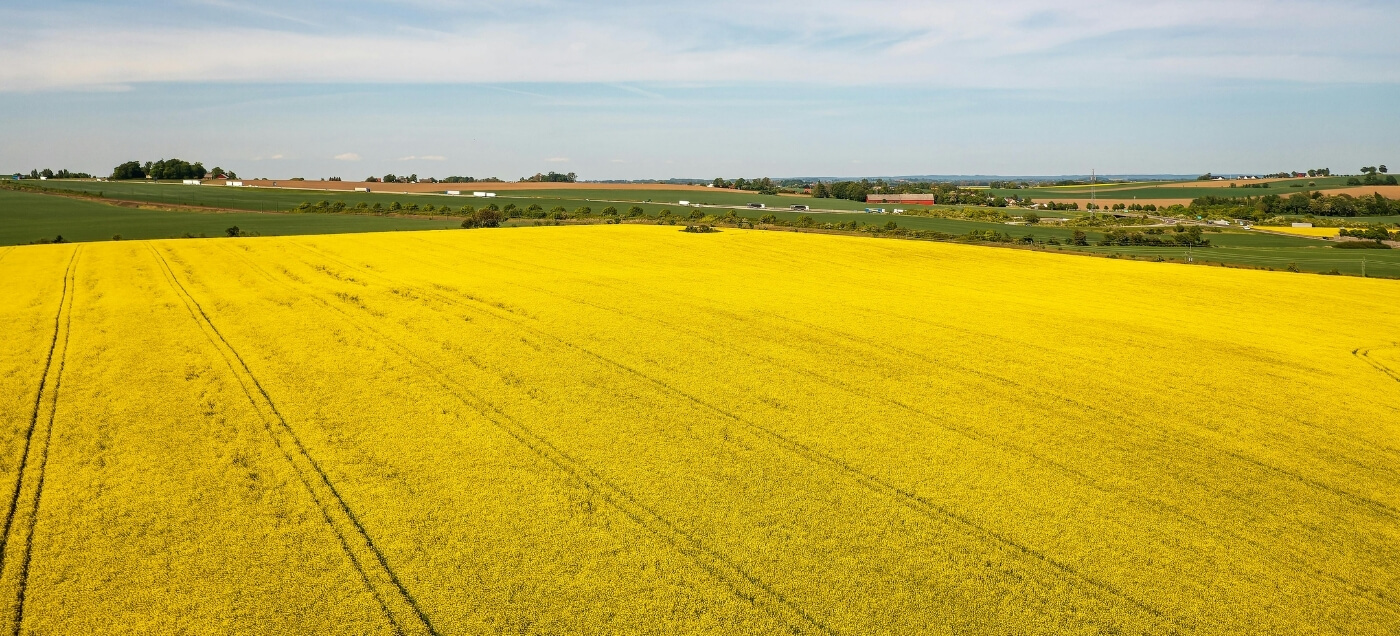
Canola is a variety developed from the Brassica family, grown widely in Canada. Canola quality is defined by very low erucic acid in the oil and low glucosinolates in the meal—helping make both oil and meal suitable for food and feed uses.
From Seed to Oil and Meal
A canola seed contains roughly about 45% oil. After crushing/extraction, the remaining solids become a protein-rich meal used widely in animal nutrition.
What Canola Is Used For
1) Heart-Healthy Cooking Oil
Canola oil is recognized for high unsaturated fats and low saturated fat compared to common cooking oils, making it a versatile option for home and commercial kitchens.
2) Premium Protein for Animal Feed
Canola meal is widely used as an efficient protein source across dairy, livestock, poultry, and aquaculture feed rations.
3) Renewable Fuels
Canola is also used as a feedstock for renewable fuels.



Why Canadian-Origin Matters
Canadian growers and the canola value chain emphasize innovation and stewardship practices that support long-term production and reliability.
FAQ (About Canola)
Is canola the same as rapeseed?
Canola is bred from rapeseed but meets stricter “canola quality” thresholds for erucic acid and glucosinolates.
How long does canola oil last?
Shelf life at room temperature is often about a year (similar to many plant oils).
Is canola oil suitable for high-heat cooking?
Canola oil is commonly described as having a high smoke point.